Source Mazda Engine Oil Pan for Car and Truck Repair
Find 30 Mazda engine oil pan options for car and truck maintenance. Compare aluminum and steel wet oil pans with ISO certifications, OEM standards, and 12-24 month warranties. Source reliable replacement parts for Mazda models with customizable packaging and global shipping.
Key considerations
Products List


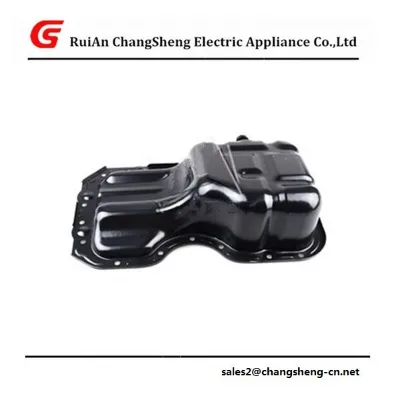
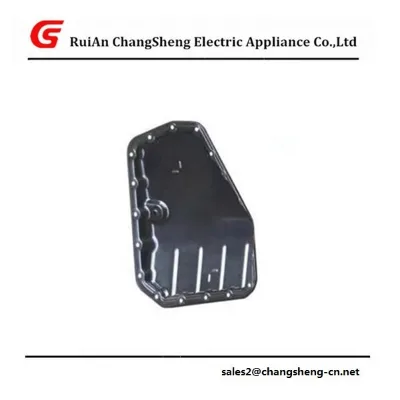
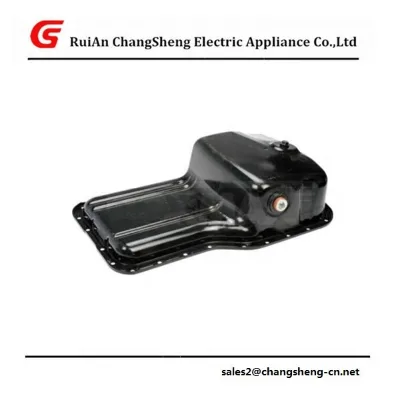


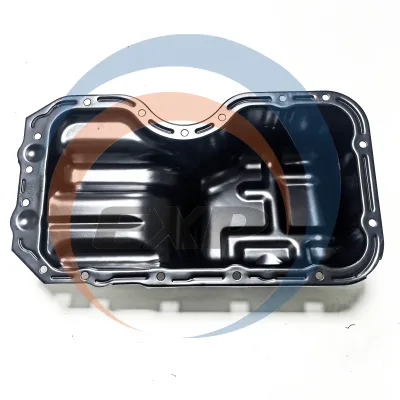


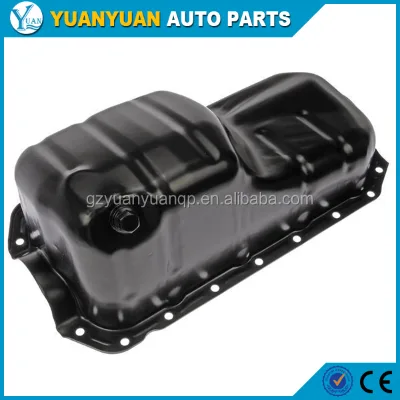
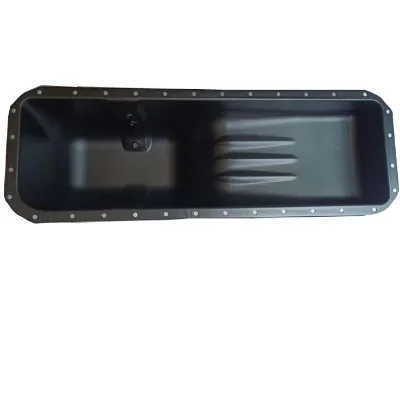

Comprehensive Sourcing Guide
Mazda Engine Oil Pan Sourcing Guide
Sourcing replacement oil pans for Mazda vehicles requires careful attention to material composition and manufacturing precision. The market offers options in aluminum, iron, and steel, each with distinct thermal and structural properties. Buyers must verify the specific raw material, such as seamless tube or cold-rolled steel, to ensure compatibility with the engine’s thermal expansion rates. Aluminum pans often provide weight reduction benefits, while steel variants offer robust durability for high-stress applications.
Procurement decisions should also account for the manufacturing process, including press drawing, bending, and braze techniques. These processes directly influence the pan’s integrity and leak resistance. Sourcing from suppliers who support OEM standards ensures that the replacement part meets original equipment dimensions. It is critical to confirm whether the product is a wet oil pan or a dry sump variant, as this distinction dictates the internal geometry and mounting requirements for the specific Mazda model year.
Product Scope and Observed Listing Signals
Current market listings indicate a diverse range of oil pans available for Mazda models, including the Mazda 2 and Mazda 3 from the 2007-2015 era. These parts are primarily designed for replacement and repair purposes, targeting both petrol engines with displacements like 1.3L and 1.6L. The observed product scope includes various model codes such as FA-OIP-MA and FA-OIP-MIT, suggesting a broad coverage of different engine configurations. Buyers should cross-reference these codes with their vehicle’s VIN to ensure exact fitment.
Listing signals also reveal variations in packaging and shipping methods, ranging from neutral packing to crates and shipping cartons. Suppliers often indicate support for customization and OEM supply, which is vital for fleet maintenance or aftermarket distribution. The presence of specific OEM numbers, such as ZJ0110400, helps in identifying authentic replacements. Buyers must verify that the listed application matches their specific vehicle trim and engine type to avoid procurement errors.
Technical Specifications to Verify
Technical verification begins with confirming the material grade, such as DC06 steel or specific aluminum alloys, which affect longevity and weight. Buyers should inspect the surface treatment options, including electrophoresis or zinc coating, to ensure adequate corrosion resistance against road salts and engine fluids. The production process, whether press drawing or stamping, must align with the required structural strength for the engine’s oil pressure dynamics.
Dimensional accuracy is paramount, so verifying the standard component status against non-standard requirements is essential. The deck type, specifically the oil pan design, must match the original equipment’s bolt pattern and drain plug location. Additionally, checking the warranty period, which may range from 12 to 24 months, provides insight into the manufacturer’s confidence in their product. Buyers should request detailed technical drawings to confirm internal baffle designs that prevent oil starvation during cornering.
Compliance and Safety Documentation
Compliance documentation is critical for ensuring that the oil pans meet international quality and safety standards. Buyers should verify certifications such as ISO 9001 and TS 16949, which indicate a robust quality management system in the manufacturing facility. These certifications ensure that the production processes are consistently controlled, reducing the risk of defects in the final product. Without these credentials, the risk of receiving substandard parts increases significantly.
Safety considerations also involve the integrity of the sealing surfaces and gasket compatibility. Buyers must ensure that the supplier provides documentation confirming the pan’s ability to withstand operating temperatures and pressures. It is advisable to request material test reports that verify the tensile strength and chemical composition of the raw materials. This documentation helps in assessing the part’s durability and resistance to fatigue failure over time.
Cost Drivers and Commercial Terms
Cost drivers for Mazda engine oil pans include the raw material prices, manufacturing complexity, and order volume. Aluminum and steel prices fluctuate, directly impacting the final unit cost. Buyers should negotiate based on the observed MOQ ranges, which can vary from 20 to 1000 pieces. Larger orders often benefit from economies of scale, reducing the per-unit price. Understanding these variables helps in budgeting for large-scale procurement projects.
Commercial terms typically involve payment methods such as 30% T/T in advance and 70% before shipment. Buyers must clarify the production time, which can be around 30 days, to align with their inventory needs. Shipping options, including air, sea, and express delivery, also affect the total landed cost. It is important to negotiate clear terms for packaging to prevent damage during transit, especially when using neutral packing or crates.
Supplier Qualification and Quality Control
Supplier qualification requires a thorough assessment of their manufacturing capabilities and quality control processes. Buyers should verify the supplier’s location, such as Zhejiang, China, and their ability to provide OEM services. A qualified supplier should have a dedicated quality assurance team that conducts inspections at various stages of production. This includes checking the press drawing accuracy and the integrity of the braze joints.
Quality control measures should also include pre-shipment inspections to ensure that the parts meet the specified standards. Buyers can request samples to test fitment and functionality before committing to large orders. It is essential to establish a clear communication channel for addressing any defects or discrepancies. A reliable supplier will provide transparent feedback and support throughout the procurement process, ensuring a smooth transaction.
Long-Term Procurement Checks
Long-term procurement success depends on establishing a reliable supply chain with consistent quality and delivery performance. Buyers should monitor supplier performance metrics, such as on-time delivery rates and defect percentages. Regular audits of the supplier’s quality management system can help identify potential issues before they impact production. Building a strong relationship with the supplier can lead to better pricing and priority support during peak demand periods.
Continuous improvement initiatives should be encouraged, such as feedback on part performance in the field. Buyers can use this data to refine specifications and requirements for future orders. It is also important to stay updated on any changes in Mazda’s engineering specifications that may affect part compatibility. By maintaining a proactive approach to supplier management, buyers can ensure a steady supply of high-quality oil pans for their operations.
FAQs
What materials are used for mazda engine oil pans?
Mazda engine oil pans are available in aluminum, iron, steel, and plastic materials. Some models use seamless tube or steel sheet plate as raw material. The specific material depends on the product model and application requirements for durability and weight.
Which certifications do mazda engine oil pan suppliers hold?
Suppliers typically hold ISO TS and ISO9001/Ts16949 certifications for quality assurance. These standards ensure the components meet automotive industry requirements. Buyers should verify specific certification documents when sourcing from manufacturers in China or other regions.
Can I customize the mazda engine oil pan design?
Yes, customization is available for most mazda engine oil pan models. Suppliers support custom specifications and can produce non-standard components. Buyers should confirm customization options and lead times, which may extend to 30 days depending on order volume.
What is the minimum order quantity for mazda engine oil pans?
The minimum order quantity ranges from 20 to 1000 pieces depending on the supplier and product model. Some vendors require 50 pieces while others accept orders as low as 20 units. Buyers should check specific MOQ requirements before placing an order.
How long is the warranty period for mazda engine oil pans?
Warranty periods typically range from 12 to 24 months for these components. The exact duration depends on the specific product model and supplier policy. Buyers should confirm warranty terms during the negotiation phase to ensure adequate protection for their purchase.
Which production processes are used for mazda engine oil pans?
Production involves pressing, bending, brazing, stamping, and press drawing techniques. Surface treatments like zinc coating or electrophoresis are applied for corrosion resistance. These processes ensure the oil pan meets OEM standards and fits specific vehicle models accurately.
What payment methods are accepted for mazda engine oil pan orders?
Common payment terms include 30% T/T in advance and 70% T/T before shipment. Buyers should confirm specific payment schedules with the supplier. These terms are standard for international transactions involving automotive parts sourced from manufacturers in China.